Chicken Run Ideas Using Recycled Materials
Highlighted under: Cozy Comfort Bites
I love finding creative ways to use recycled materials in my chicken run, making it both eco-friendly and budget-conscious. Over the years, I’ve experimented with various materials that not only enhance the aesthetic appeal but also provide safety and comfort for my chickens. From old pallets to scrap metal, there are endless possibilities to explore. It's fulfilling to see how simple items can transform into functional and attractive parts of a chicken run. In this guide, I’ll share some of my favorite recycled materials and how to incorporate them into your chicken run design.
My journey into creating a sustainable chicken run began when I realized how many materials I was discarding that could serve a purpose. I remember the excitement of using old wooden pallets to create a sturdy fence and how surprisingly effective they were. The chickens loved the texture and warmth, and it added a rustic charm to the run.
Incorporating recycled materials has not only saved me money but has also allowed me to exercise my creativity. I particularly enjoy using scrap metal to build feeding stations that deter pests. Small improvements like these make a world of difference, adding functionality while minimizing waste.
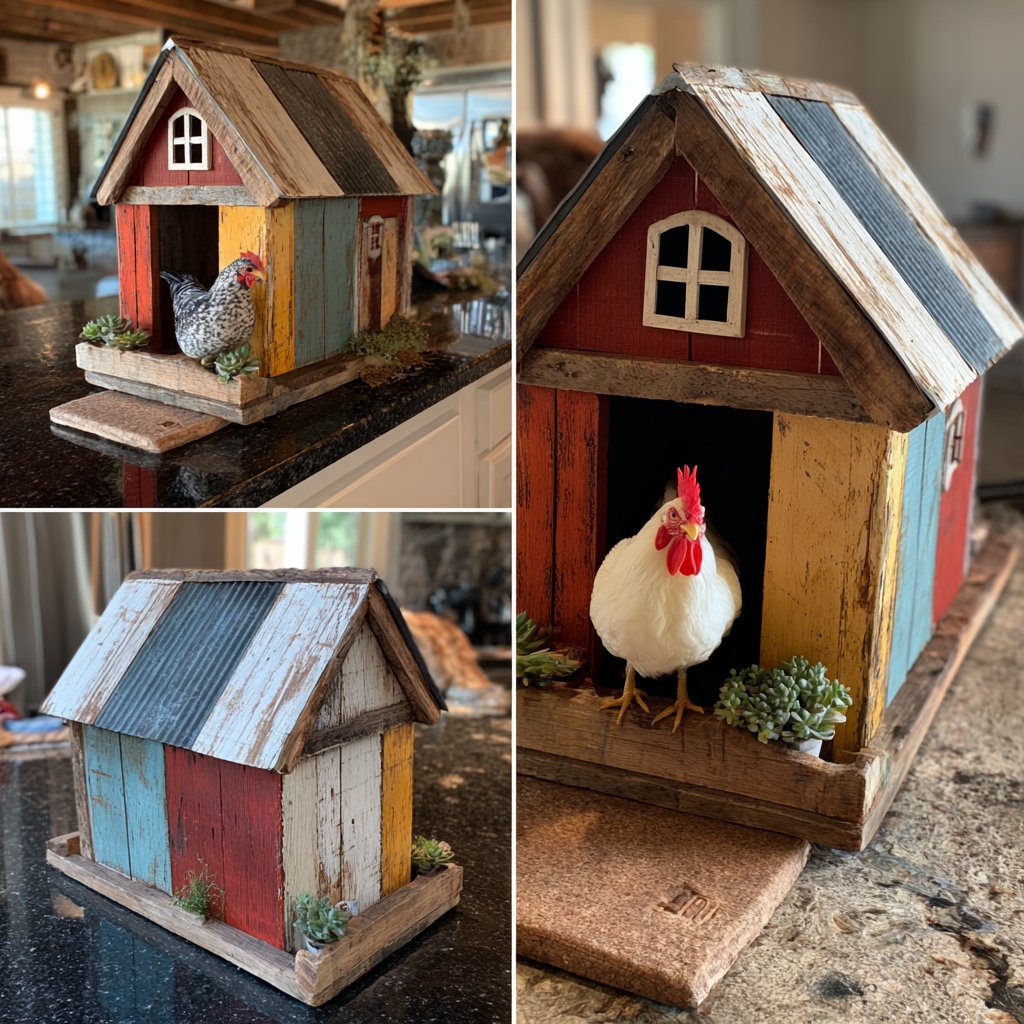
Why You'll Love These Ideas
- Eco-friendly solutions that reduce waste
- Creative and budget-friendly designs
- Unique appearance that adds character to your yard
Maximizing Your Recycled Materials
When creating your chicken run, utilizing recycled materials like scrap wood and old pallets not only saves money but also provides a unique aesthetic. Old pallets can be repurposed into walls or raised beds, while scrap wood can fill gaps or be made into nesting boxes. Ensure that any wood used is untreated to keep chemicals away from your chickens, preventing any potential health hazards. A quick sand down can remove splinters and sharp edges, creating a safer environment for your flock.
Don't overlook the potential of using plastic containers. These can be transformed into feeding stations or water dispensers. Ensure that they are opaque or dark to prevent algae growth if left in sunlight. Additionally, used tires can make excellent perches or even planters for herbs, giving your chickens fresh greens to peck on while also adding charm to your run.
Building for Durability and Safety
The framework of your chicken run is the backbone of your design. It’s essential to build a sturdy structure using larger materials like pallets, which should be secured with strong nails or screws. I recommend using galvanized screws to prevent rusting, especially in areas prone to moisture. Be sure to double-check that the base is level and securely anchored to the ground to avoid any shifting over time, which could compromise your chicken's safety.
When adding wire mesh, opt for a 1-inch by 1-inch square gauge to prevent smaller predators from accessing your chickens. Before installation, inspect your recycled materials, checking for any damaged sections or insect infestations. It's better to replace a damaged piece than to risk the security of your chickens. Additionally, placing rocks or pavers around the perimeter can help deter digging predators.
Personalizing Your Chicken Run
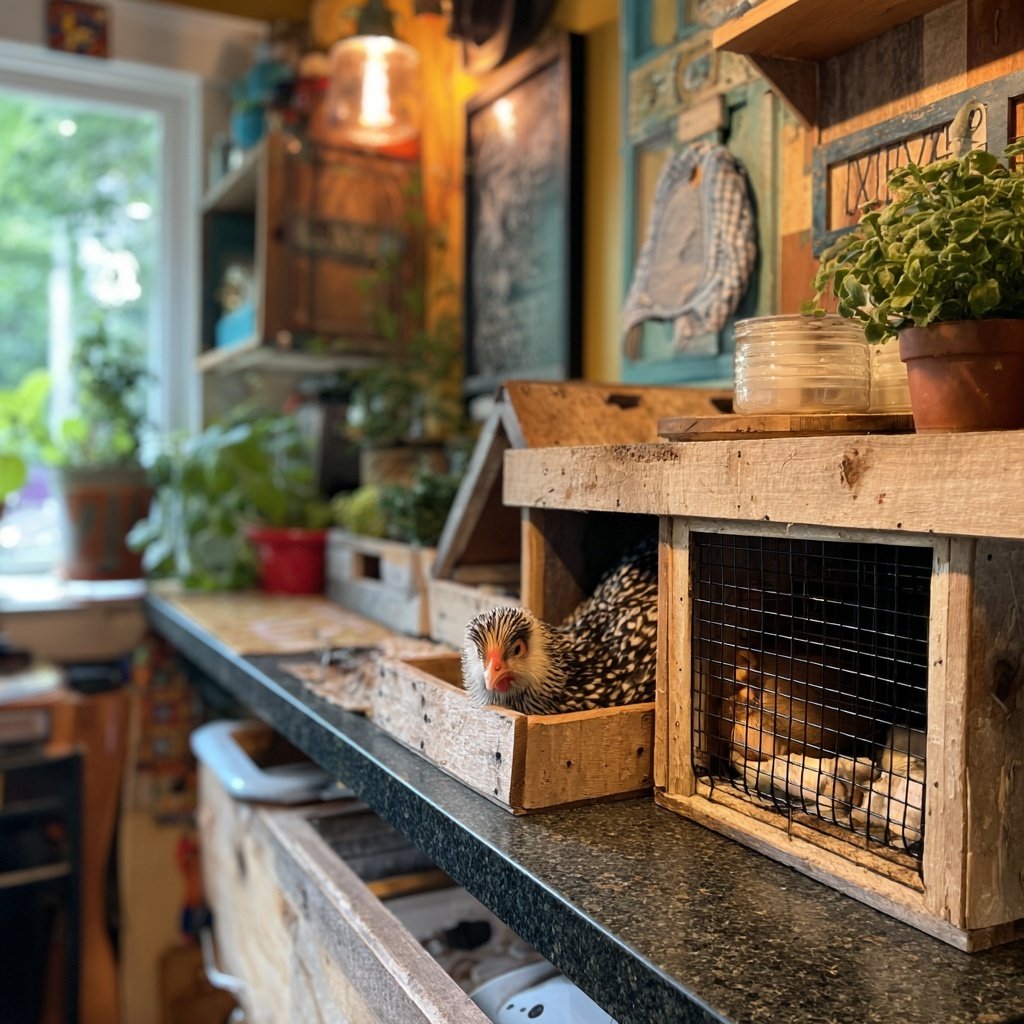
As you construct your chicken run, think about how to incorporate unique features that reflect your style while enhancing your chickens' experience. Hanging plastic containers filled with herbs or scraps can provide foraging opportunities, keeping them mentally engaged. Be creative with nesting boxes – a simple wooden crate lined with straw can become a cozy haven for your hens.
Consider adding a rainwater collection system with recycled barrels if you have the space. This not only serves as a sustainable water source for your chickens but can also benefit your garden. Ensure that any system installed is well-covered and remains clean to prevent disease. Regularly check for any potential leaks and maintain cleanliness to keep your flock healthy and hydrated.
Materials You'll Need
Recycled Materials
- Old pallets
- Scrap wood
- Wire mesh
- Plastic containers
- Used tires
- Old fencing
Additional Supplies
Gather basic tools such as a hammer, nails, and a saw as needed for your projects.
Step-by-Step Instructions
Design Your Chicken Run
Sketch out a design of your chicken run using the recycled materials you have access to. Ensure it's secure and provides ample space for your chickens.
Gather Materials
Collect all your recycled materials, ensuring they are clean and safe for the chickens. Pay special attention to sharp edges or harmful chemicals.
Construct the Framework
Start with the larger pieces such as pallets to create the base and walls of your chicken run. Nail them together securely.
Add Features
Incorporate feeding stations and nesting areas using various recycled items to give your run versatility and character.
Finishing Touches
Secure any loose parts, add wire mesh where necessary, and ensure there are no escape routes for your chickens.
Final Checks
Before introducing chickens to their new home, double-check for any hazards and provide fresh water and food.
Pro Tips
- Always prioritize the safety and comfort of your chickens when using recycled materials. Avoid items that could pose a risk to their health.
Make-Ahead Ideas
Before you start building your chicken run, it can be helpful to gather and prepare all your recycled materials. This will save time during the construction process. Spend a weekend cleaning, sanding, and assembling smaller components that will eventually be part of the bigger structure. Creating nesting boxes ahead of time allows you to introduce them to your chickens as soon as you finish building, giving them places to explore right away.
If you're using treated pallets, consider letting them sit outdoors for a couple of weeks before incorporating them. This helps any lingering chemicals to dissipate. It’s recommended to store these materials in a dry place to prevent rot and decay, ensuring long-lasting components in your chicken run.
Storage and Maintenance Tips
Proper maintenance of your chicken run is crucial for a healthy environment. Regularly inspect your structure, looking for signs of wear and tear or potential points of weakness. Reinforce areas that show signs of decay, especially if made from wooden components. Using wood from pallets can introduce the risk of splintering, so keep an eye out for sharp edges and treat them as needed to ensure safety.
For upkeep, clear out any debris and waste weekly to avoid health issues. This also gives you a chance to check for any hidden damage. Additionally, providing seasonal cleaning can help in maintaining hygiene. A simple mix of vinegar and water can work wonders for keeping the run clean naturally. My go-to ratio is one part vinegar to three parts water for an effective solution that is safe for both chickens and the environment.
Scaling Up Your Chicken Run
If you're considering expanding your chicken run in the future, think about how you can do this with the same recycled principles in mind. Keep track of what worked well in your initial design, and consider incorporating additional features such as a dust bath area or a shaded zone to keep your chickens cool during hot months. Using scrap materials from your expansion can save costs and further reduce waste.
When expanding, ensure that the design remains scalable. It may help to sketch out ideas for future sections, and make use of versatile designs that can accommodate growing flock sizes. Look for sustainably sourced materials that can blend well with your existing structure to maintain a cohesive look.
Questions About Recipes
→ Can I use any type of recycled material?
While many materials are usable, ensure they are safe and non-toxic for chickens. Avoid anything treated with harmful chemicals.
→ How do I ensure the chicken run is secure?
Use nails and screws generously, check for gaps where chickens might escape, and ensure the run is elevated to deter predators.
→ What if I don't have enough recycled materials?
Consider reaching out to local community groups or online forums where you may find materials others are willing to donate.
→ How can I make the run more enjoyable for my chickens?
Incorporate enrichment activities like perches, dust baths, and hiding spots using the materials available to you.
Chicken Run Ideas Using Recycled Materials
What You'll Need
Recycled Materials
- Old pallets
- Scrap wood
- Wire mesh
- Plastic containers
- Used tires
- Old fencing
How-To Steps
Sketch out a design of your chicken run using the recycled materials you have access to. Ensure it's secure and provides ample space for your chickens.
Collect all your recycled materials, ensuring they are clean and safe for the chickens. Pay special attention to sharp edges or harmful chemicals.
Start with the larger pieces such as pallets to create the base and walls of your chicken run. Nail them together securely.
Incorporate feeding stations and nesting areas using various recycled items to give your run versatility and character.
Secure any loose parts, add wire mesh where necessary, and ensure there are no escape routes for your chickens.
Extra Tips
- Always prioritize the safety and comfort of your chickens when using recycled materials. Avoid items that could pose a risk to their health.
Nutritional Breakdown (Per Serving)
- Calories: 0 kcal